 CageDoku
Sudoku variants explained: Killer, Thermo, Arrow, Kropki and more
All eight variants in CageDoku follow the Sudoku rule plus one extra constraint. Here is each one in a sentence — and the technique it teaches.
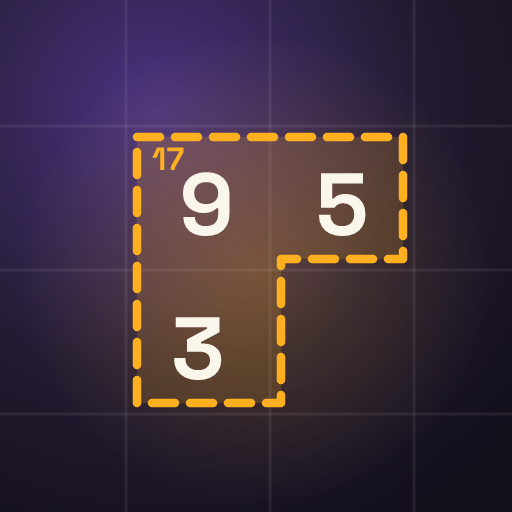
Killer Sudoku
Dotted cages carry a sum. Digits in a cage add to the sum and never repeat.
Classic Sudoku
Fill the grid so every row, column and box holds 1–9 once. Clean logic, no extras.
Thermo Sudoku
A thermometer is a path starting at a round bulb. Digits strictly increase from the bulb to the tip.
Arrow Sudoku
The digits along an arrow add up to the digit in its circle. Digits may repeat along an arrow unless a Sudoku rule forbids it.
Kropki Sudoku
A white dot between two cells means the digits are consecutive. A black dot means one is double the other. A missing dot means neither relation holds (in negative-constraint puzzles).
Sandwich Sudoku
Clues outside the grid give the sum of the digits sandwiched between the 1 and the 9 in that row or column.
Chess Sudoku (Anti-Knight)
Cells a chess knight’s move apart cannot hold the same digit, in addition to the classic rules.
Diagonal Sudoku (Sudoku X)
Both main diagonals must also contain every digit 1–9 exactly once.
Which variant should I start with?
If you know classic Sudoku, start with Thermo or Diagonal — the rules are visual and the logic is gentle. Killer and Arrow reward arithmetic. Kropki and Sandwich add constraints that make every cell feel connected. CageDoku includes a short tutorial and hints for each.